Cummins PT Fuel System Injector Stroke Adjustment: Angle Method Guide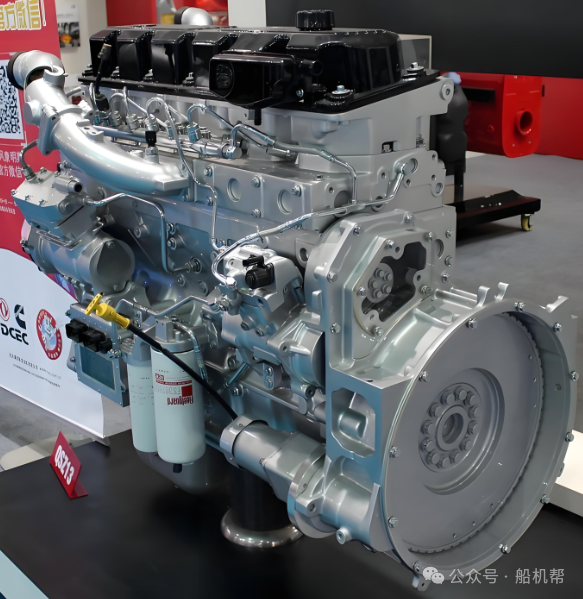
Introduction to Injector Stroke Adjustment
There are three common methods for adjusting the injector injection stroke in Cummins diesel engines with PT fuel systems. The traditional methods include the stroke measurement method (referred to as the stroke method) and the torque adjustment method (referred to as the torque method). Both methods require special tools, and when applied to diesel engines with long operating hours, their accuracy is often not ideal.
This article introduces a more reliable and practical solution: the angle method.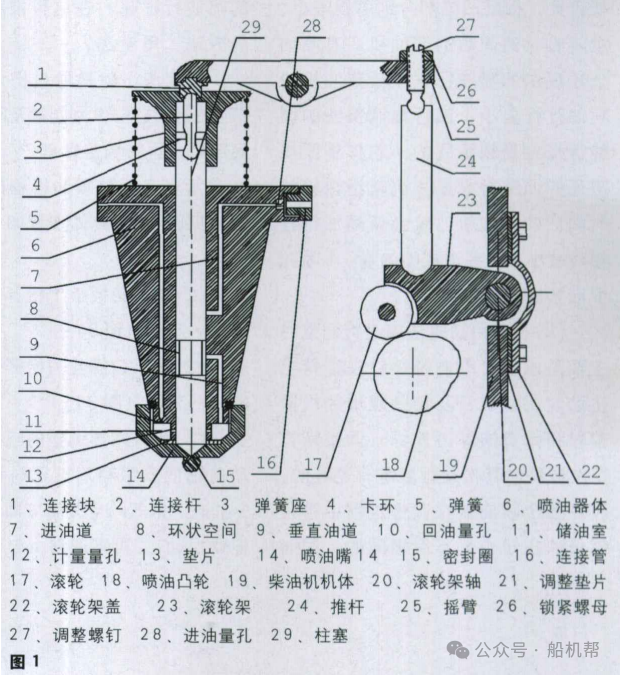
Why Injector Stroke Adjustment Is Important
The accuracy of injector stroke adjustment directly affects diesel engine performance. If the stroke is either too large or too small, it can lead to abnormal engine operation, reduced power output, or even engine failure.
Problems Caused by Incorrect Injector Stroke
1. Excessive Injector Stroke
When the stroke is too large (meaning insufficient contact force between the injector plunger and injector bottom), it may cause injector nozzle blockage.
During operation, the plunger cannot fully compress the injector, leaving residual diesel fuel inside. Under high temperature and pressure conditions in the combustion chamber, combustion gases can flow backward, preventing complete combustion and leading to carbon buildup. Over time, this results in partial or complete blockage of the injector nozzle.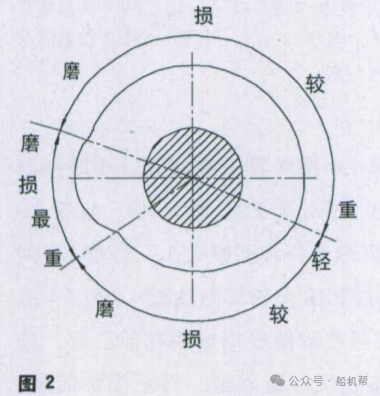
2. Insufficient Injector Stroke
When the stroke is too small (excessive compression force), it can damage or even destroy the injector.
Excessive force from the plunger can damage the sealing surface or the nozzle tip. In severe cases, broken metal fragments may enter the cylinder, causing knocking, and potentially damaging the piston, cylinder head, and cylinder liner.
Why Traditional Adjustment Methods Cause Errors
1. Limitations of the Stroke Method
The primary issue is uneven wear of the fuel injection camshaft over time. The cam surface does not wear uniformly, leading to reduced injection stroke compared to a new engine. However, the stroke method uses fixed adjustment values, which results in insufficient stroke after long-term operation. This can cause injector carbon buildup and nozzle blockage.
2. Limitations of the Torque Method
The torque method does not account for variations in tightening force and spring elasticity. Differences in adjustment screw tightness, lock nut torque, and cleanliness during assembly can lead to inconsistent compression levels across injectors. Even with the same torque value, some injectors may be too tight while others are too loose.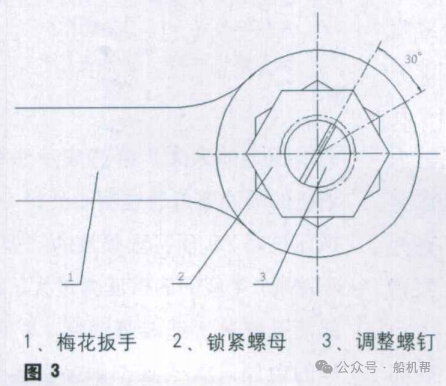
Angle Method: A More Accurate Adjustment Solution
The angle method improves accuracy by eliminating dependence on measurement tools and torque variations. It adjusts the injector stroke by rotating the adjustment screw a fixed angle after initial contact between the plunger and injector.
Step-by-Step Injector Adjustment Using the Angle Method
Step 1: Loosen the Lock Nut
Use a Torx wrench to loosen the lock nut by 4 to 5 turns.
Step 2: Loosen the Adjustment Screw
Use a flathead screwdriver to loosen the adjustment screw by 1 to 2 turns.
Step 3: Position the Engine
Rotate the crankshaft to align the pulley with the timing mark. Ensure that both intake and exhaust valves of cylinder 1 are fully closed (rocker arms are loose).
Step 4: Find the Contact Point
Slowly tighten the adjustment screw until resistance is felt. This indicates that the plunger has just contacted the injector bottom.
Step 5: Align Tools
Keep the Torx wrench stationary and align the screwdriver with the wrench for accurate angle measurement.
Step 6: Apply Angle Adjustment
Rotate the adjustment screw clockwise by 30 degrees (one Torx angle).
Step 7: Repeat for Accuracy
Repeat the adjustment process 1 to 3 times to ensure precision.
Step 8: Secure the Adjustment
Tighten the lock nut to secure the adjustment screw in place.
Step 9: Adjust Remaining Cylinders
Repeat the procedure for all injectors according to the engine firing order.
Advantages of the Angle Method
The angle method eliminates errors caused by camshaft wear and torque inconsistencies. By directly controlling the rotation angle after initial contact, it ensures consistent plunger compression across all injectors, significantly improving adjustment accuracy.
This method does not require special tools, but it does require technician experience for precise execution.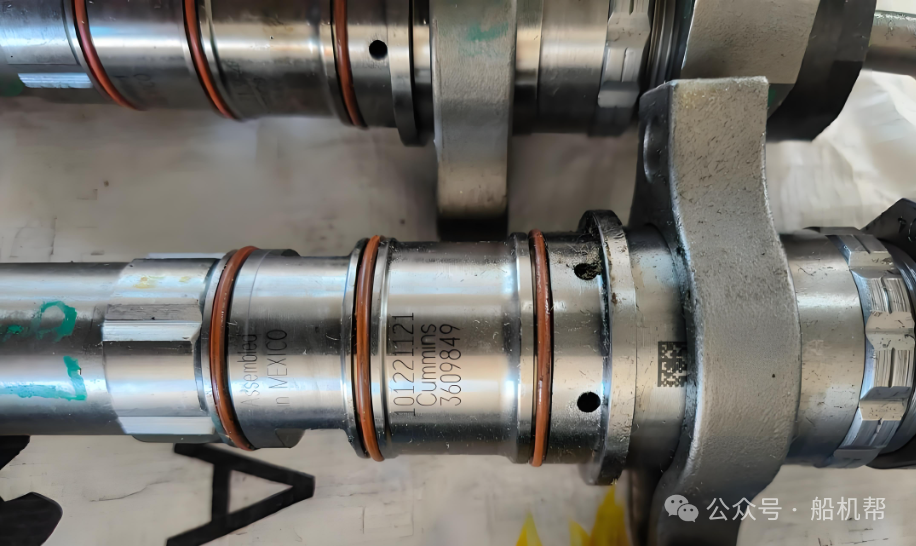
Field Test Results
After 2,000 hours of operation using the angle method, field tests showed stable engine performance. Injector inspections revealed no signs of nozzle blockage, confirming the reliability of this adjustment technique.