Analysis of Piston Corrosion in Cummins K38 Diesel Engines
Piston corrosion is a common issue in diesel engines. It typically occurs on the piston crown, within the first and second piston ring grooves, and around the piston top area. The damage often appears as melting holes, perforations on the piston surface, keyway-like grooves along the crown, and honeycomb structures. Common symptoms include increased exhaust gas leakage from the crankcase and even oil discharge from the breather.
Piston corrosion can lead to abnormal engine operation. It directly reduces cylinder pressure and engine power, and indirectly causes severe failures such as cylinder scuffing, bearing seizure, and damage to components like the turbocharger and cylinder head.
Based on practical repair experience with Cummins K38 engines and supporting technical documentation, the following is a detailed analysis of the main causes of piston corrosion.
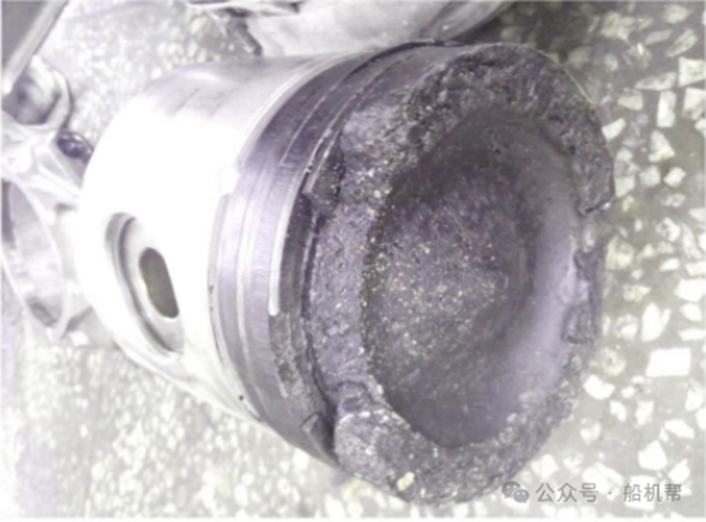
Cummins KTA38 Engine Piston
Main Causes of Piston Corrosion
Excessive Exhaust Backpressure
Exhaust backpressure refers to the resistance encountered by exhaust gases as they exit the engine. For the K38 engine, the exhaust pressure should be less than 0.09 kPa. However, issues such as a clogged muffler or improperly modified exhaust piping can significantly increase this resistance.
When exhaust backpressure is too high, combustion gases cannot be discharged efficiently. This leads to heat accumulation inside the cylinder, resulting in excessively high temperatures and ultimately causing piston erosion.
Inferior Piston Quality
Pistons operate under extreme conditions involving high temperature, high pressure, high speed, and limited lubrication. They are directly exposed to combustion gases with instantaneous temperatures exceeding 2500°C. During operation, piston crown temperatures can reach 600–700°C with uneven heat distribution.
Additionally, pistons endure pressures of 6–9 MPa during the power stroke and move at speeds of 8–12 m/s, generating significant inertial forces and mechanical stress.
If the piston material has defects such as porosity, shrinkage cavities, microcracks, or slag inclusions, these weaknesses can lead to fatigue failure under such harsh conditions. In particular, slag inclusions may melt first, causing localized burning and eventually leading to piston erosion.
Severe Carbon Deposits and Black Smoke
Carbon deposit formation is a complex process influenced by engine design, fuel quality, lubricating oil, and operating conditions. When there is insufficient oxygen in the combustion chamber, incomplete combustion occurs, producing soot and tar particles.
These particles mix with lubricating oil and undergo oxidation to form hydroxy acids, which further oxidize into sticky colloids. Under high temperatures, these substances polymerize into hard carbon deposits composed of oil residues, asphalt, sulfates, silicon compounds, and metallic particles.
Carbon deposits in piston ring grooves can cause the rings to stick, reducing sealing performance and increasing oil consumption. Deposits on valves can lead to poor sealing, causing leakage of high-temperature gases and further erosion.
As carbon accumulates on the piston surface, heat dissipation is reduced, raising piston temperature beyond its tolerance limit and eventually leading to corrosion.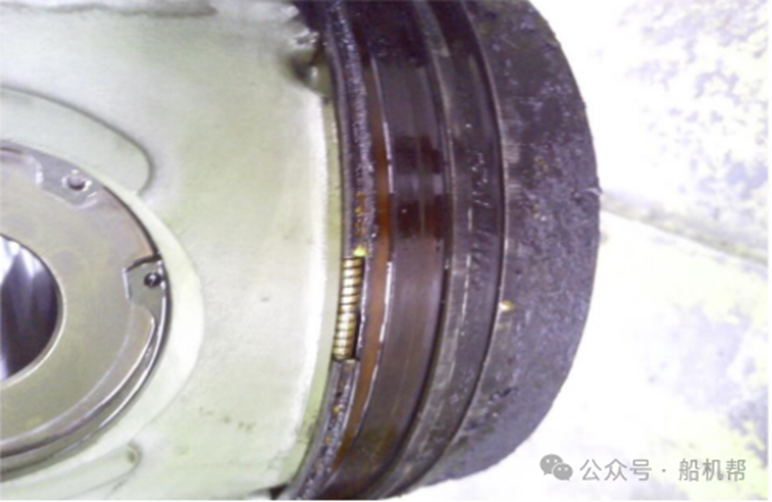
Root Causes of Heavy Carbon Deposits
Poor Valve Sealing
Improper sealing of intake and exhaust valves allows high-temperature, high-pressure gases to erode valve surfaces, causing pitting, burning, and carbon buildup. This further worsens sealing performance, creating a vicious cycle.
Poor valve sealing reduces cylinder pressure, leading to incomplete combustion, increased smoke emissions, reduced engine power, and higher fuel consumption.
Incorrect Fuel Pump and Injector Matching
The Cummins K38 engine has two main configurations: CPL844 and CPL1628. Each requires specific fuel pump and injector combinations.
The CPL1628 uses the BA94 fuel pump with 3077760 injectors, while the CPL844 uses the B844 pump with 3058802 or 3076132 injectors. The BA94 pump delivers a higher fuel volume, and certain injectors also vary in flow rate.
Incorrect matching of pumps and injectors can lead to excessive fuel injection, resulting in heavy black smoke, incomplete combustion, and ultimately piston damage.
Improper Operation of the STC Valve
The STC (Step Timing Control) system is a hydraulically controlled variable injection timing system designed to meet emission standards. It adjusts injection timing based on engine load conditions.
During startup and light load, advanced injection timing is used, while under heavy load, normal timing is applied. The STC valve controls this switching using fuel pressure.
If the STC valve malfunctions, injection timing becomes inaccurate, leading to poor combustion, prolonged afterburning, increased carbon deposits, and excessive piston temperatures. This can result in piston erosion and even cylinder head cracking.
Cooling System Failure and Overheating
The normal operating temperature of a diesel engine ranges from 82°C to 93°C. Problems such as insufficient coolant, contaminated oil, clogged radiators, or malfunctioning cooling fans can cause overheating.
Piston cooling also depends heavily on oil spray nozzles. If these nozzles are damaged, blocked, misaligned, or if oil pressure is insufficient, cooling efficiency is reduced. This leads to excessive piston and cylinder liner temperatures, accelerating piston corrosion.
Conclusion
Piston corrosion in Cummins K38 engines is typically caused by a combination of thermal overload, improper combustion, material defects, and insufficient cooling. Proper maintenance, correct component matching, and ensuring optimal engine operating conditions are essential to prevent piston damage and extend engine life.